My MFA thesis, Designing for Micro-Recovery: Built Environment Strategies to Mitigate Burnout in Medical Residents, investigates how the built environment can support the well-being of medical residents who spend the majority of their waking lives within hospitals and experience disproportionately high rates of burnout. Grounded in mixed-methods research, the project synthesized findings from literature reviews, surveys, and interviews with residents and program leadership to examine how fatigue, emotional strain, and limited opportunities for restoration are shaped by existing healthcare environments. Guided by theories of Attention Restoration, Sense of Place, and Biophilic Design, the research revealed a critical misalignment between the demands placed on residents and the restorative capacity of the spaces intended to support them.
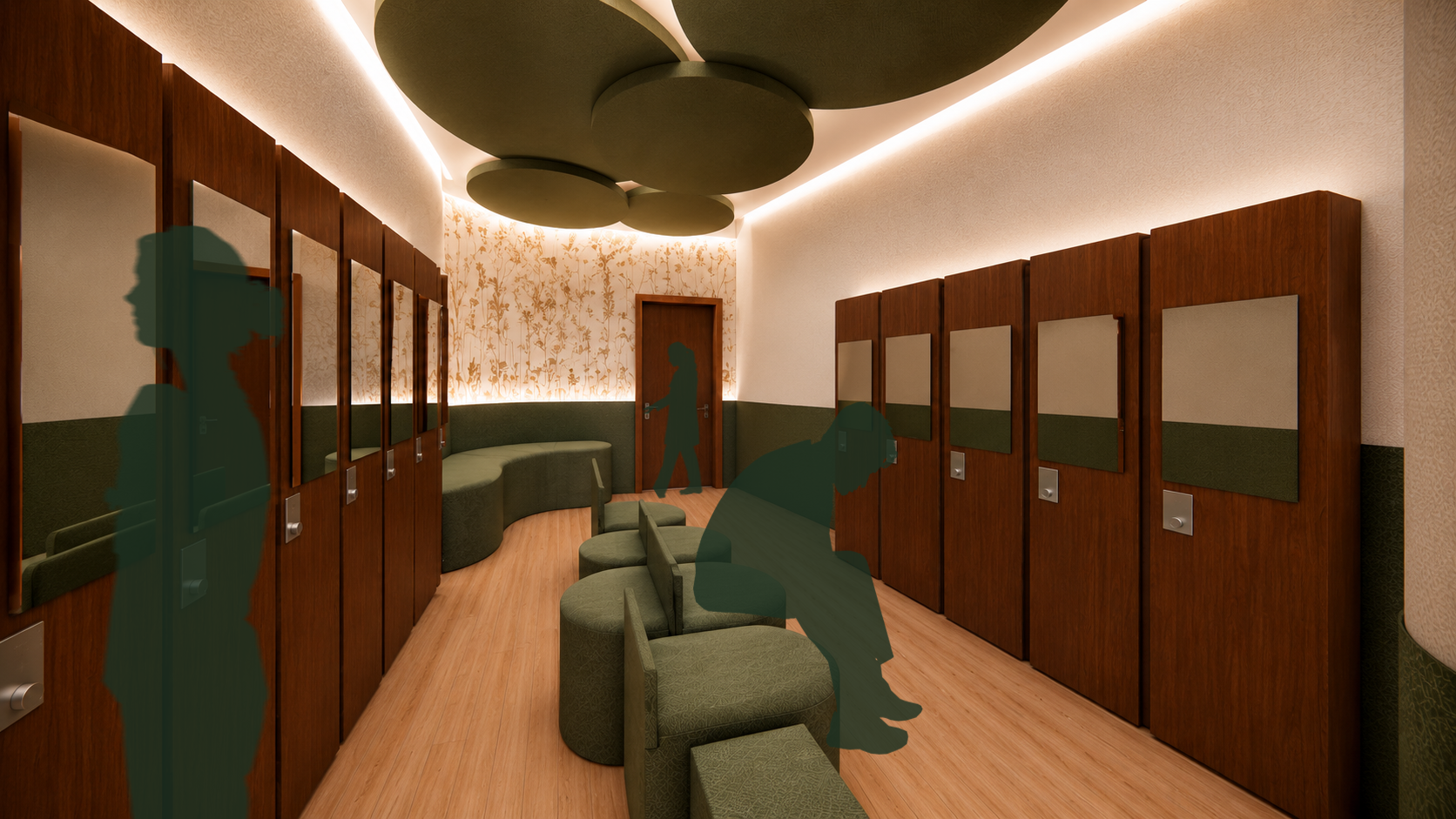
In response, the thesis proposes a series of evidence-based, staff-centered interventions embedded within everyday hospital settings, including staff entry zones, interior corridors, and restroom environments. Rather than relying on dedicated wellness rooms that are often inaccessible during demanding shifts, the project introduces opportunities for "micro-recovery"—brief, intentional moments of restoration that can occur within 10 to 90 seconds and be seamlessly integrated into daily workflows. Through strategies involving light, acoustics, materiality, biophilic elements, privacy, and choice, the interventions seek to reduce cognitive fatigue, encourage emotional recalibration, and foster a more human-centered healthcare environment. Ultimately, the project positions interior design as a meaningful contributor to clinician well-being and, by extension, the quality and empathy of patient care.
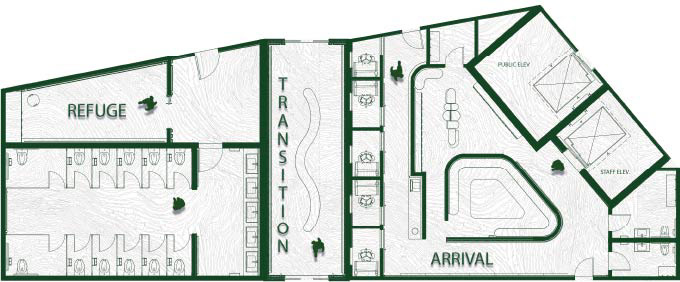
plan
The floor plan presents the interventions as a single, assembled framework to provide a clear understanding of their relationships and collective impact. In practice, these spaces are dispersed throughout the hospital and embedded within different moments of the medical resident experience. Bringing them together in one composition illustrates how a series of small, strategically placed interventions can function as an interconnected system of micro-recovery, supporting restoration across the resident's daily journey.
process
This project followed an iterative, evidence-based process in which each phase informed the next. Triangulation of literature, survey data, and interviews revealed key opportunities for supporting medical residents through moments of micro-recovery. These findings shaped the user journey, identifying points of heightened stress and potential intervention. From there, design implications translated research insights into spatial strategies, ultimately culminating in the recovery sequence—a time-based framework that demonstrates how the corridor intervention guides residents through moments of pause, recalibration, and restoration within the demands of the hospital environment.
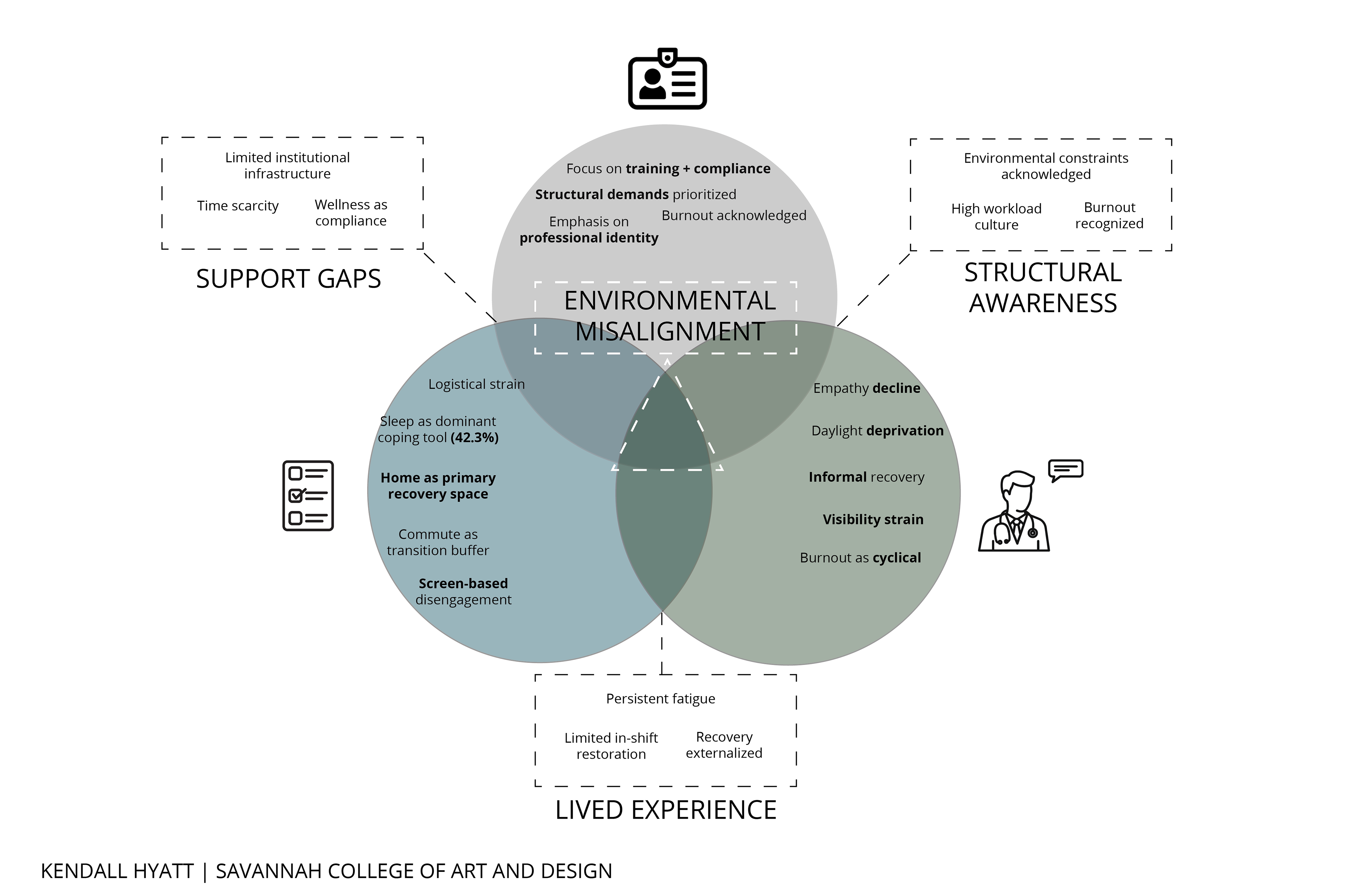
Research Method Triangulation
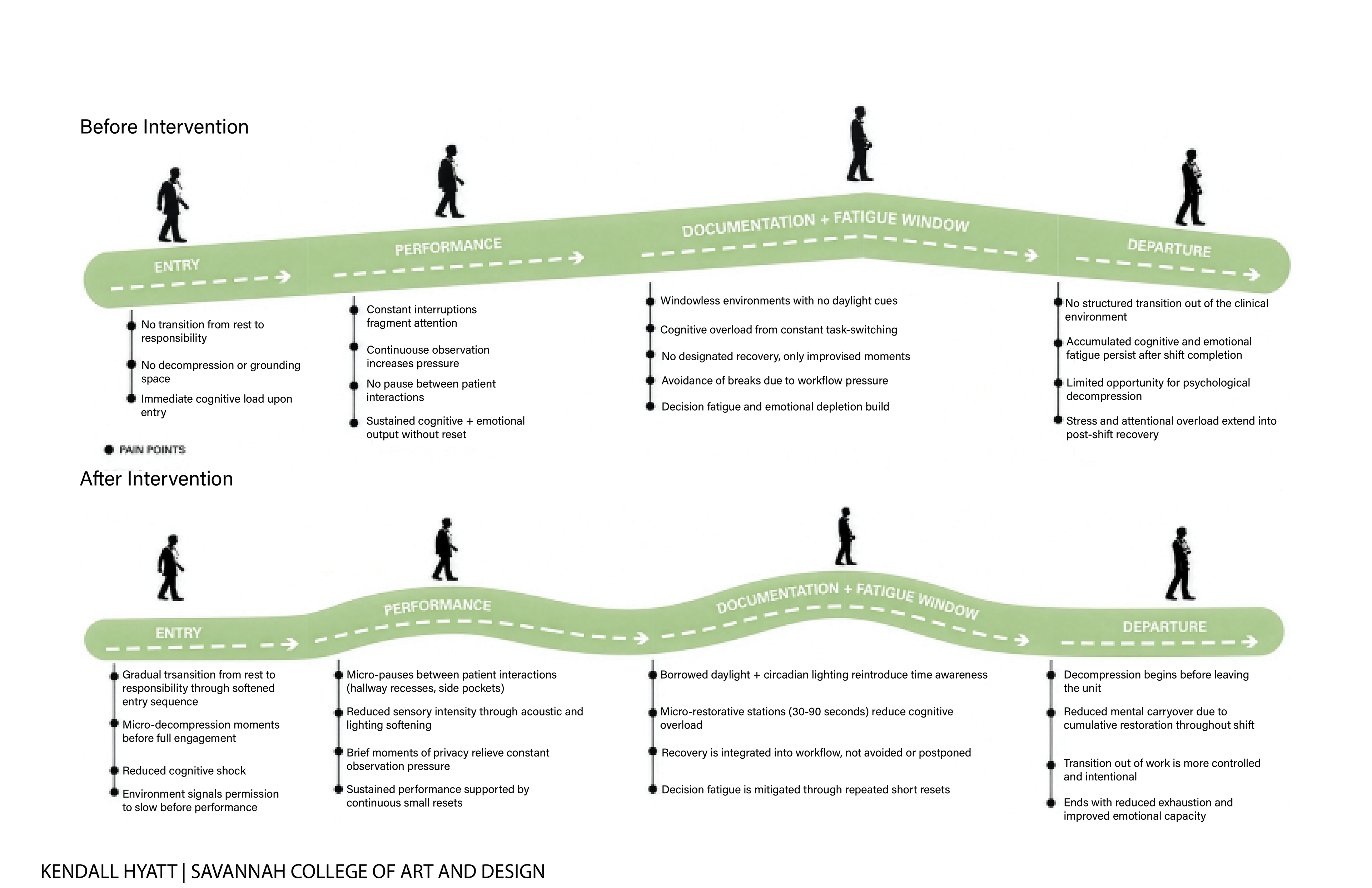
User Journey Before and After Intervention
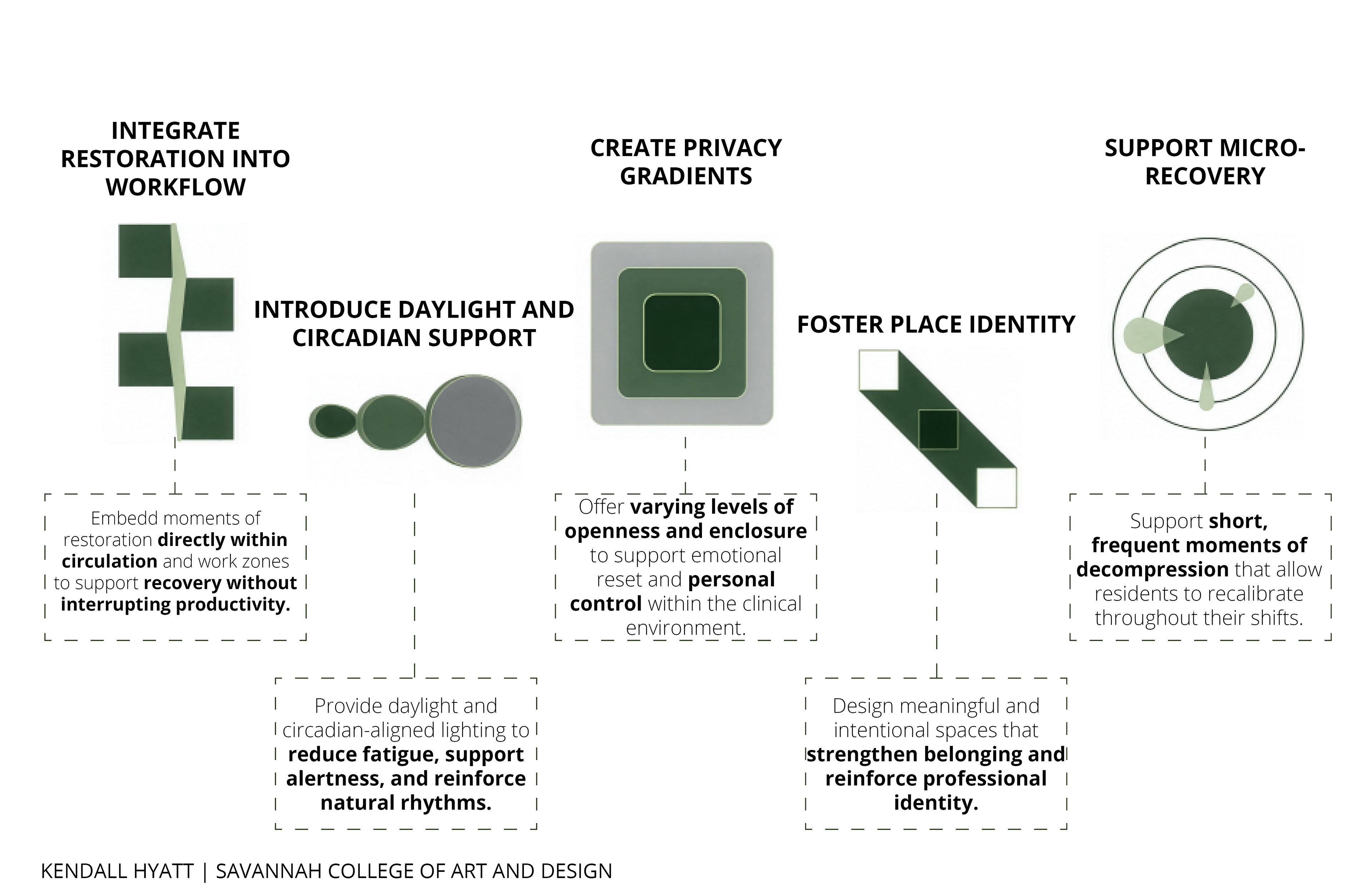
Design Implications Developed From Research
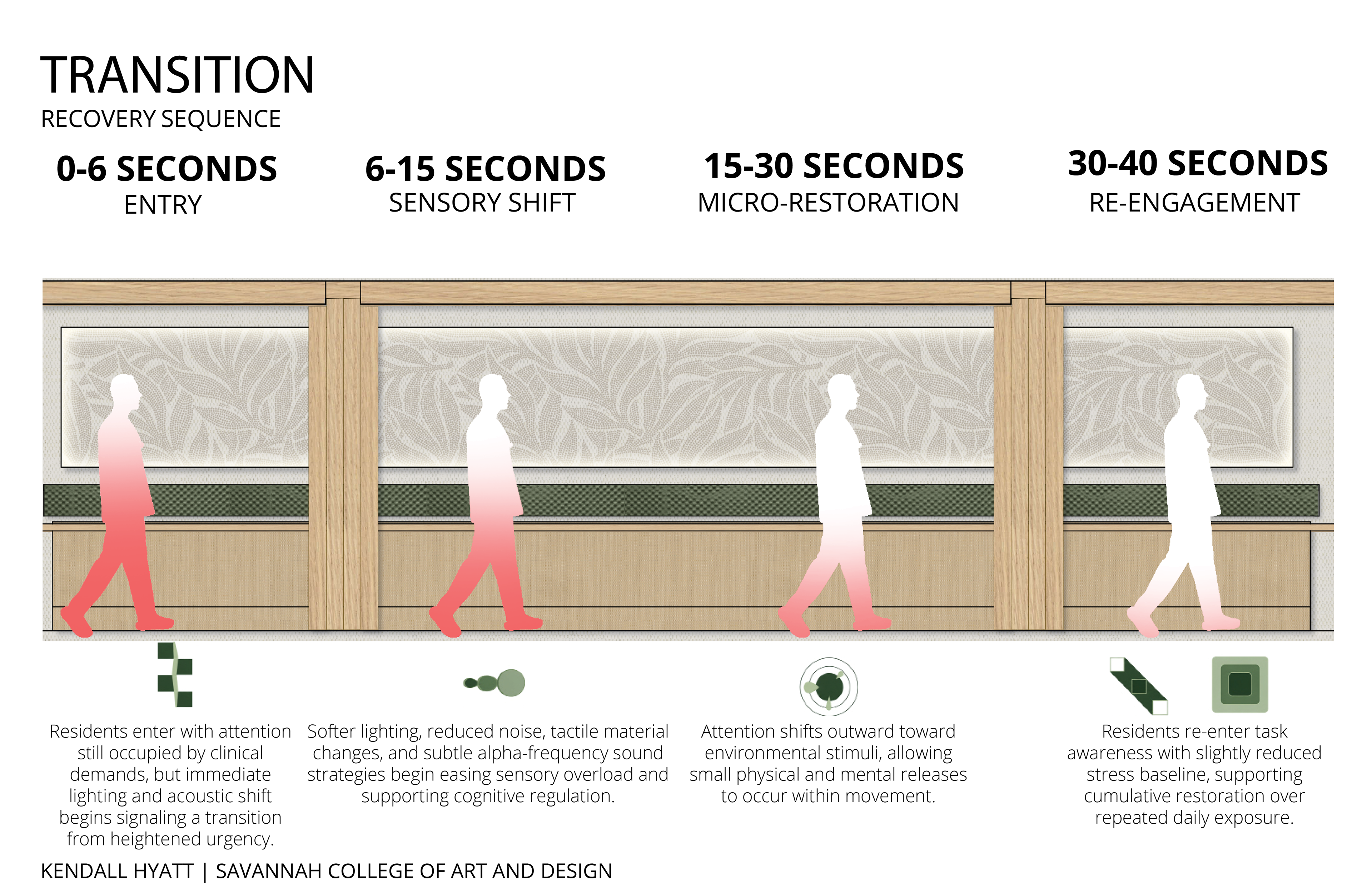
Corridor Recovery Sequence
renders
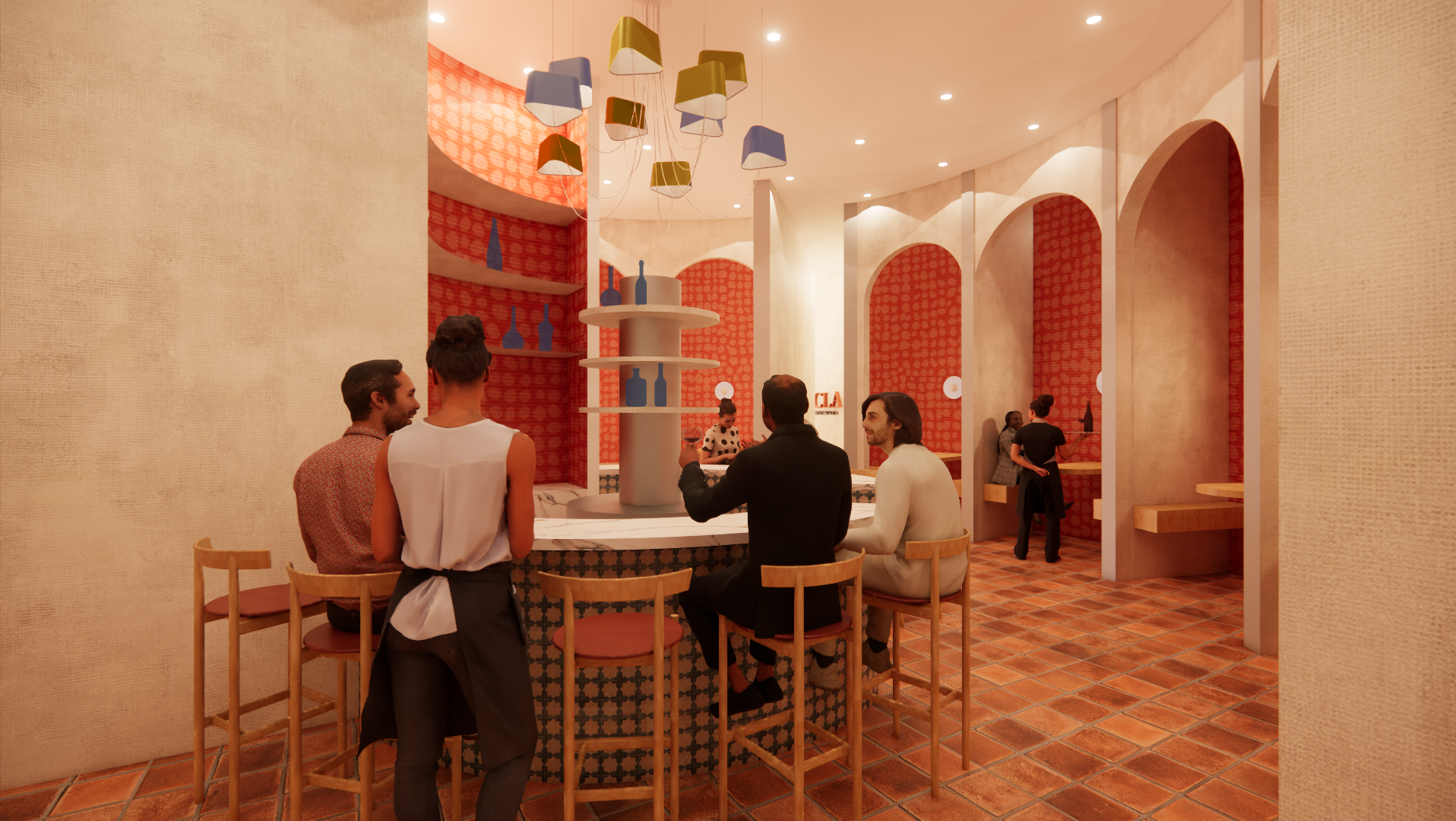
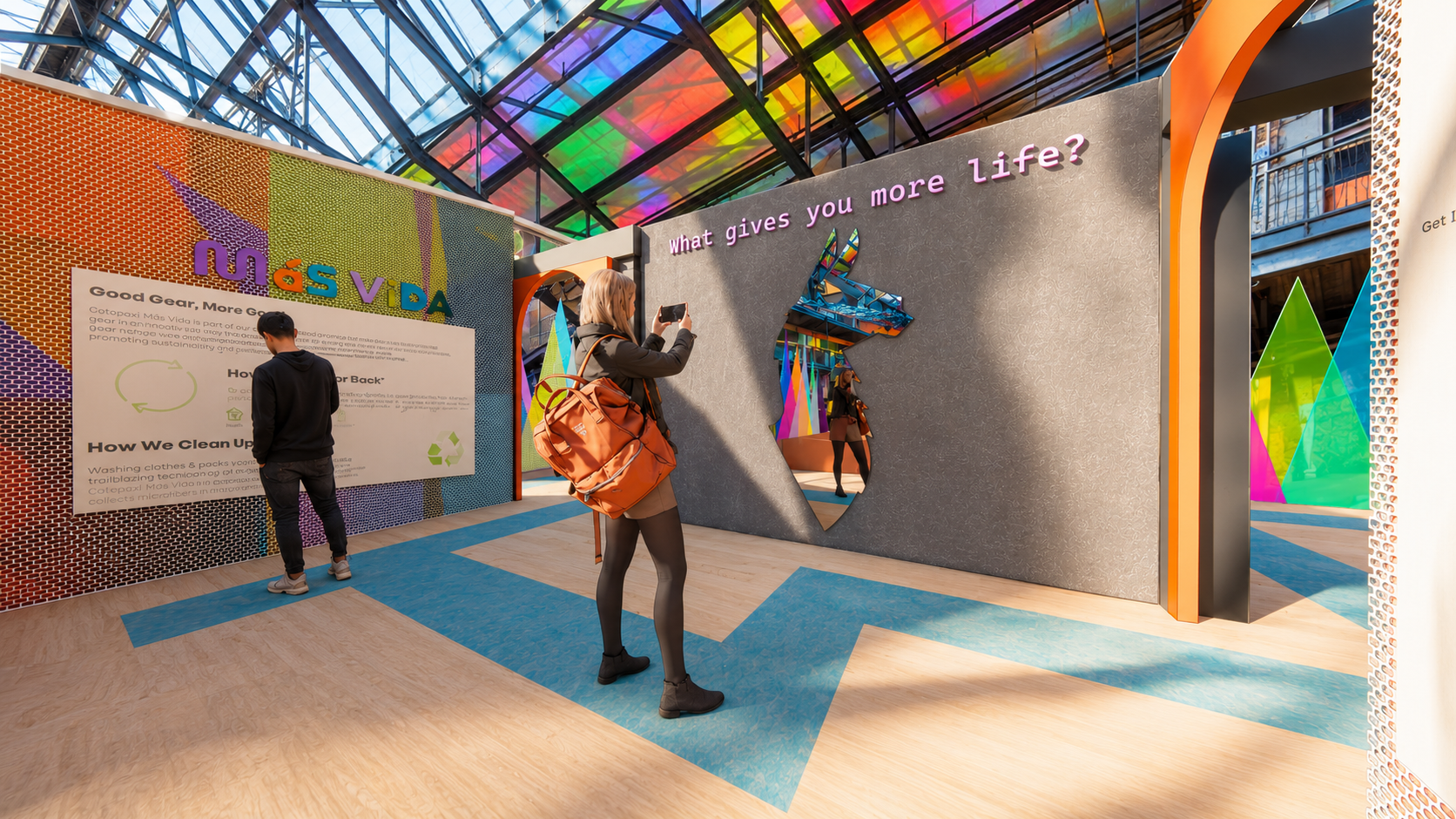
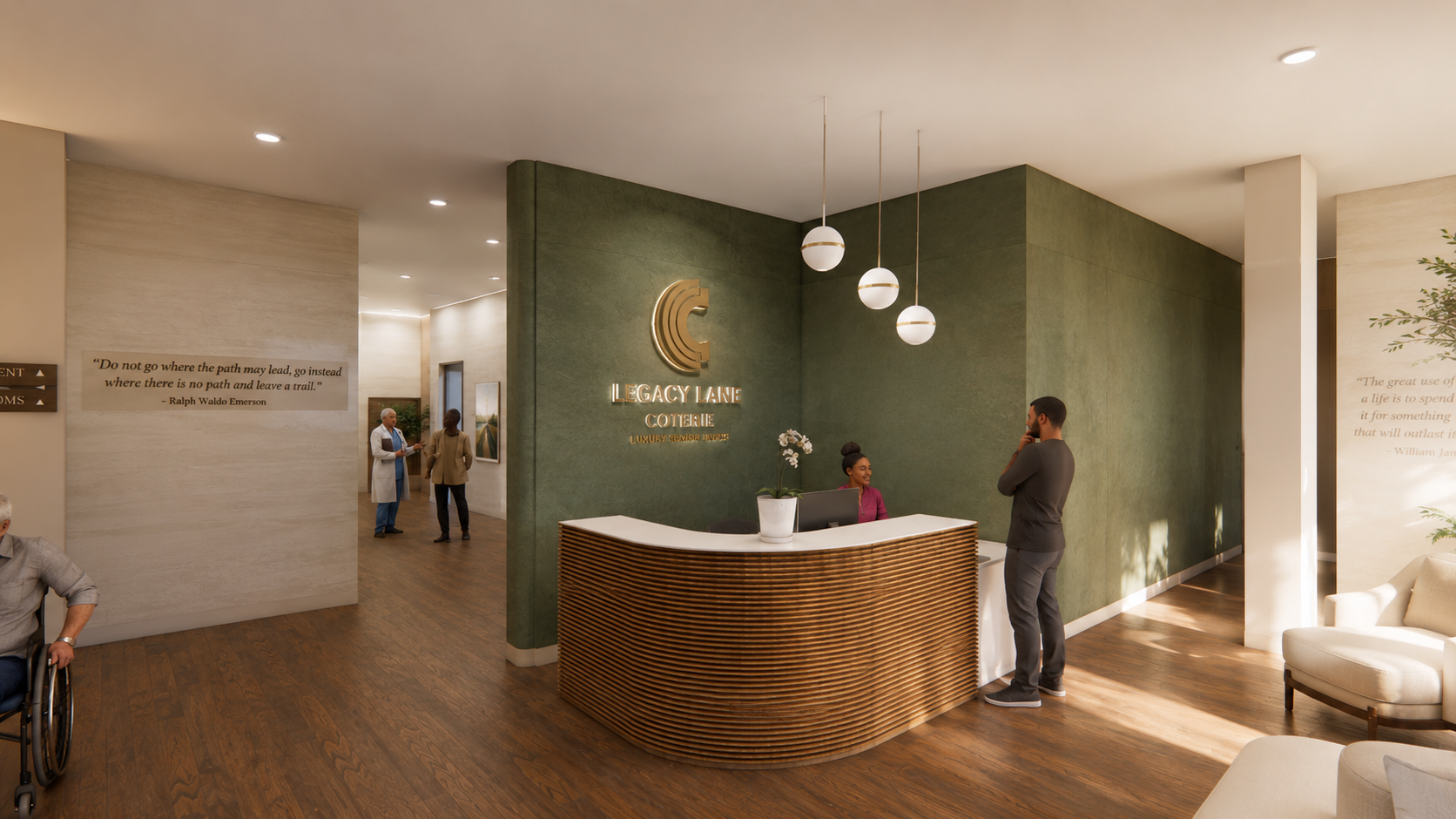
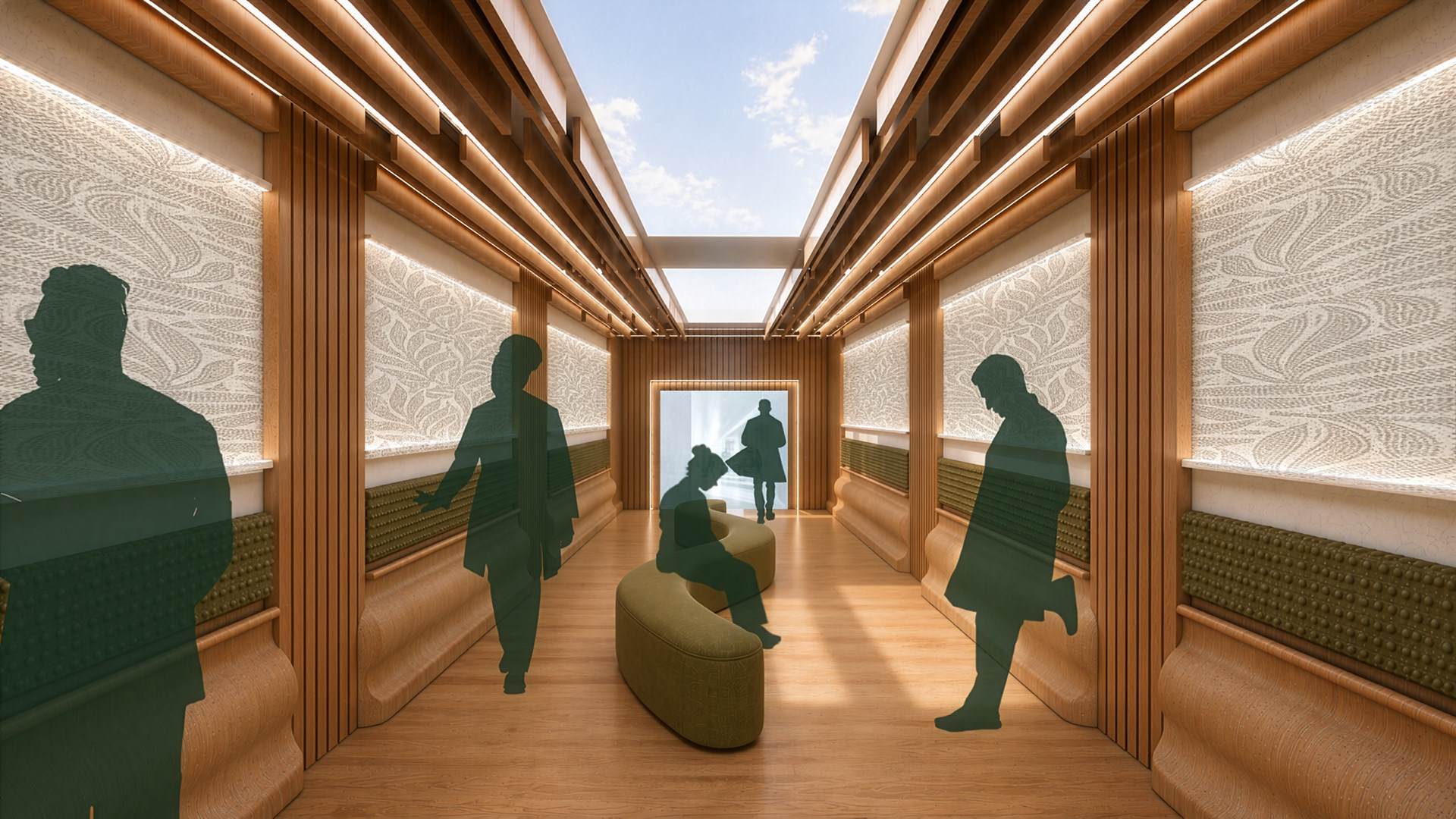
visualizations were developed through a multi-stage digital workflow that balanced technical precision with atmospheric storytelling. Spaces were first modeled in Revit and rendered in Enscape to establish the architectural framework, lighting conditions, and spatial relationships. Artificial intelligence tools were then used during post-production to rapidly explore refinements to materiality, textures, and environmental qualities, allowing for iterative experimentation beyond the initial renderings. Final images were completed in Photoshop, where adjustments to composition, color, lighting, and entourage enhanced realism and communicated the intended restorative experience of each intervention.
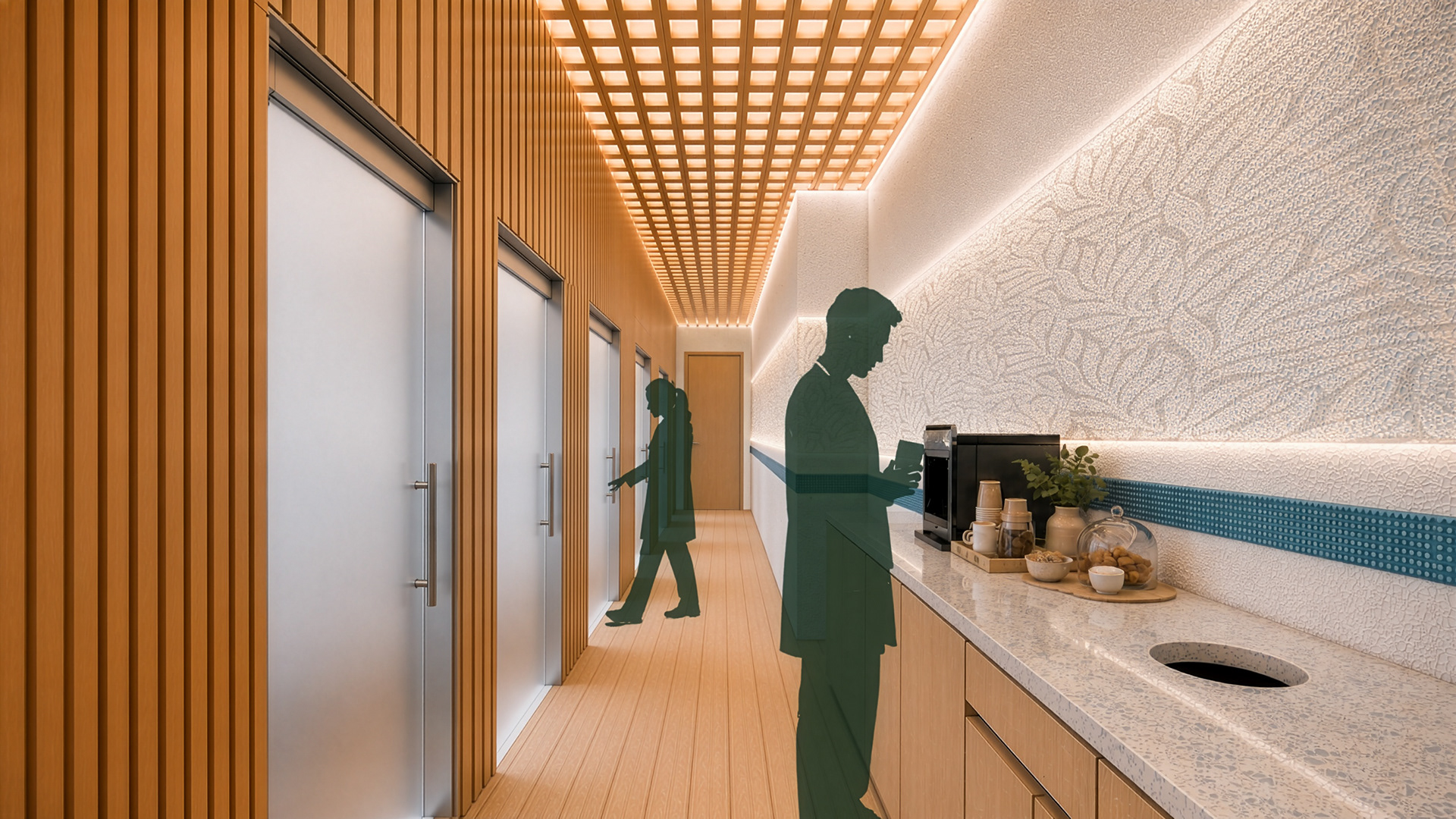
SUPPORT CORRIDOR
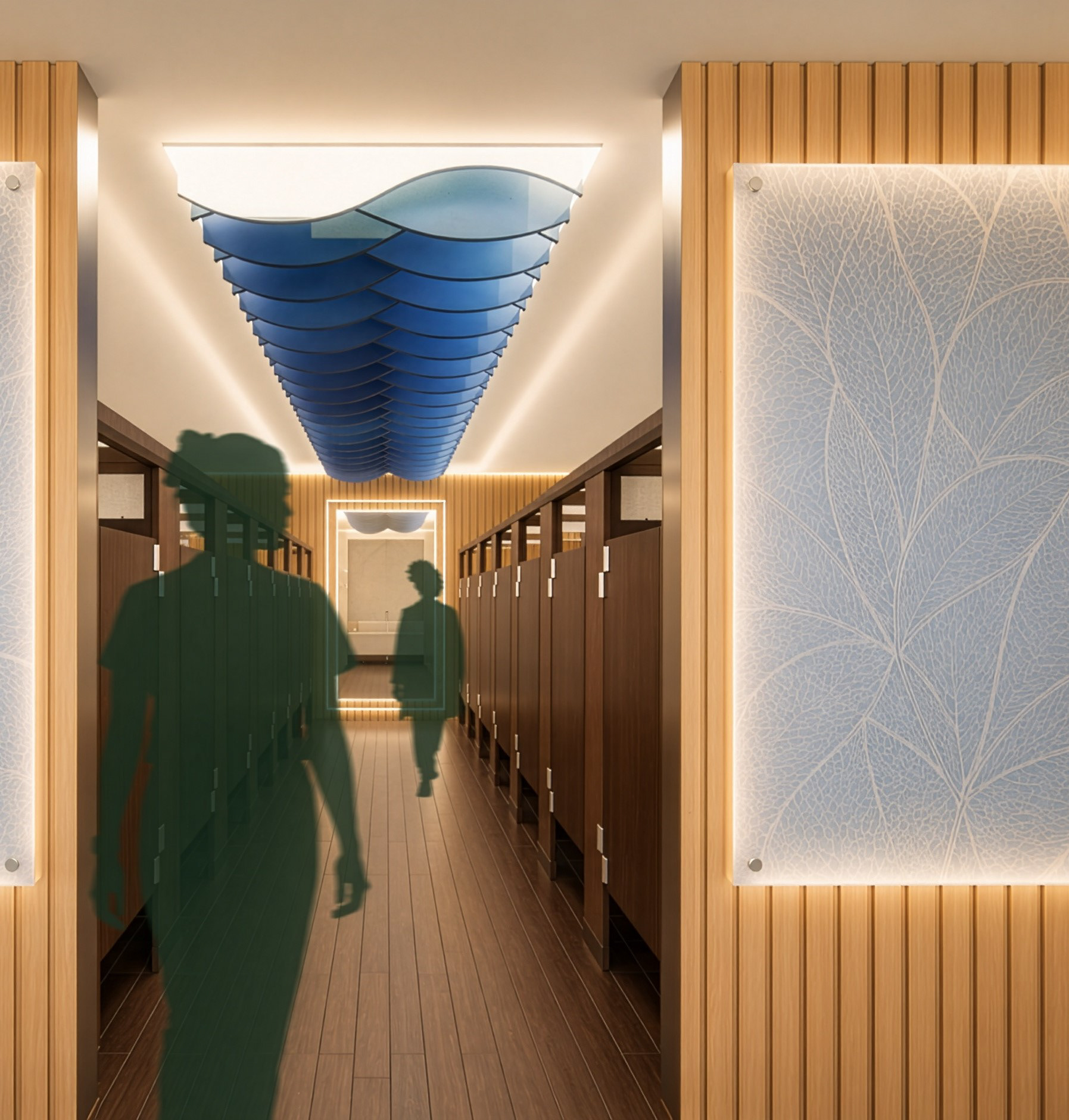
RESTROOM
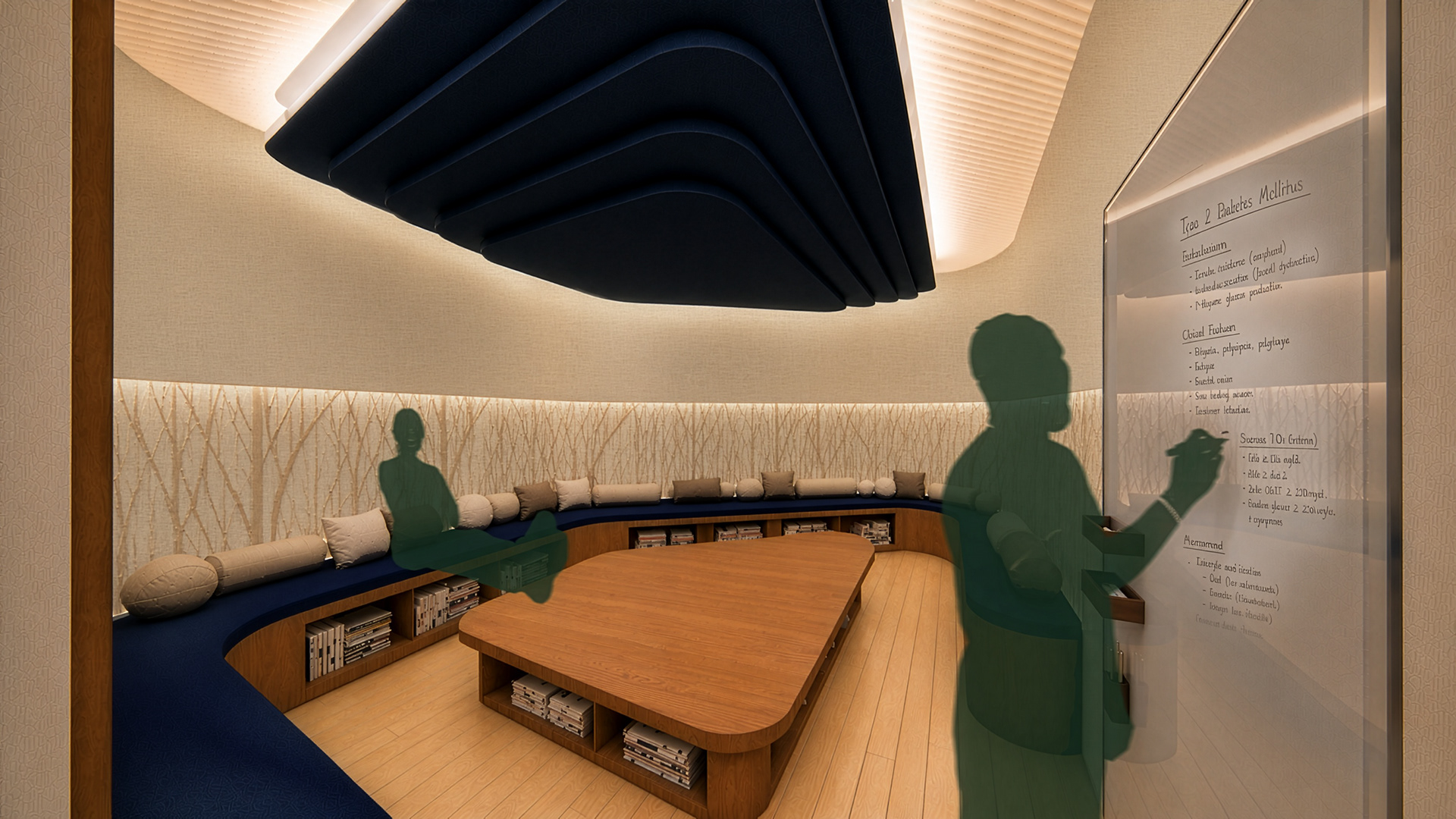
RESIDENT LOUNGE
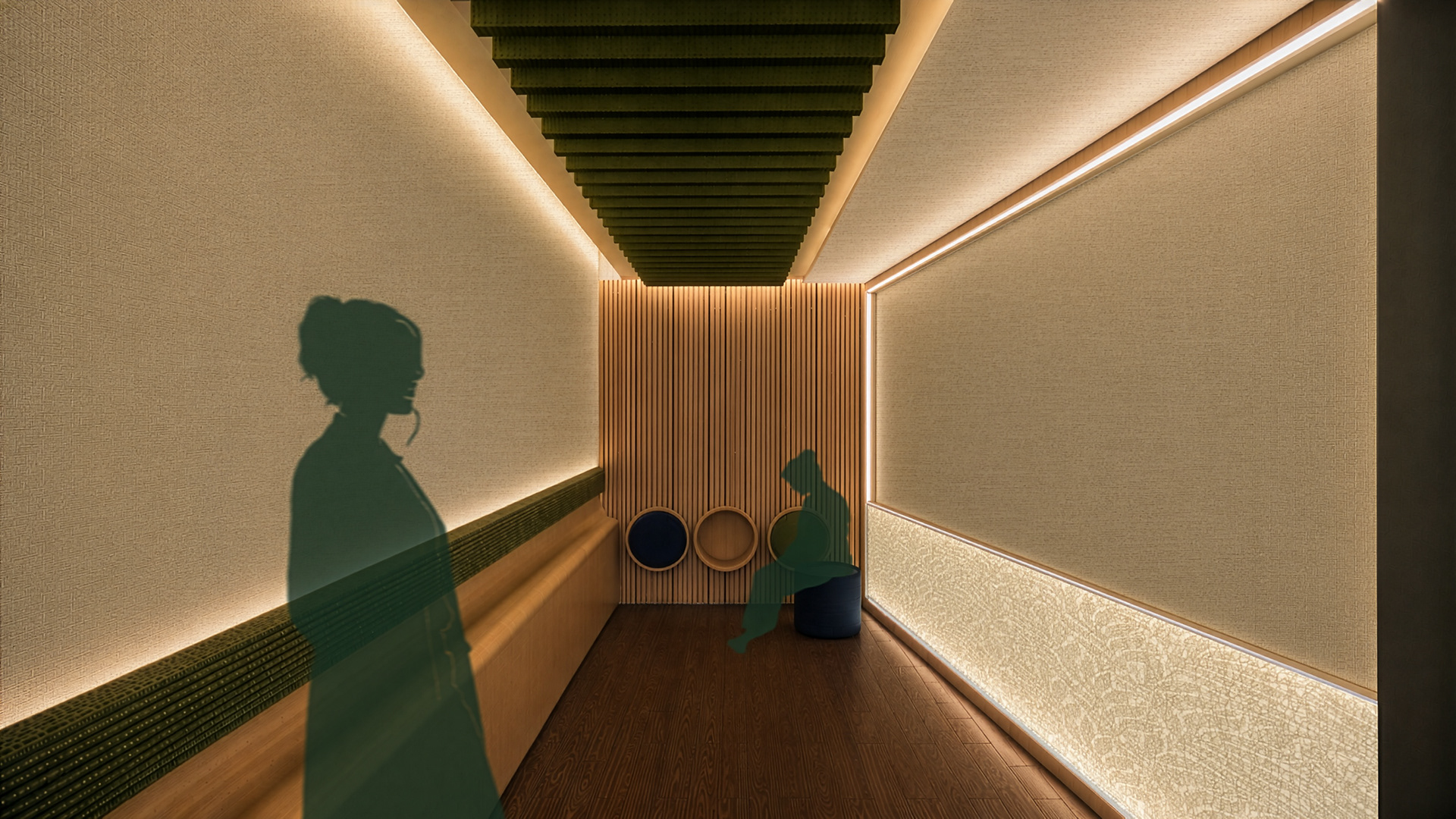
REFUGE